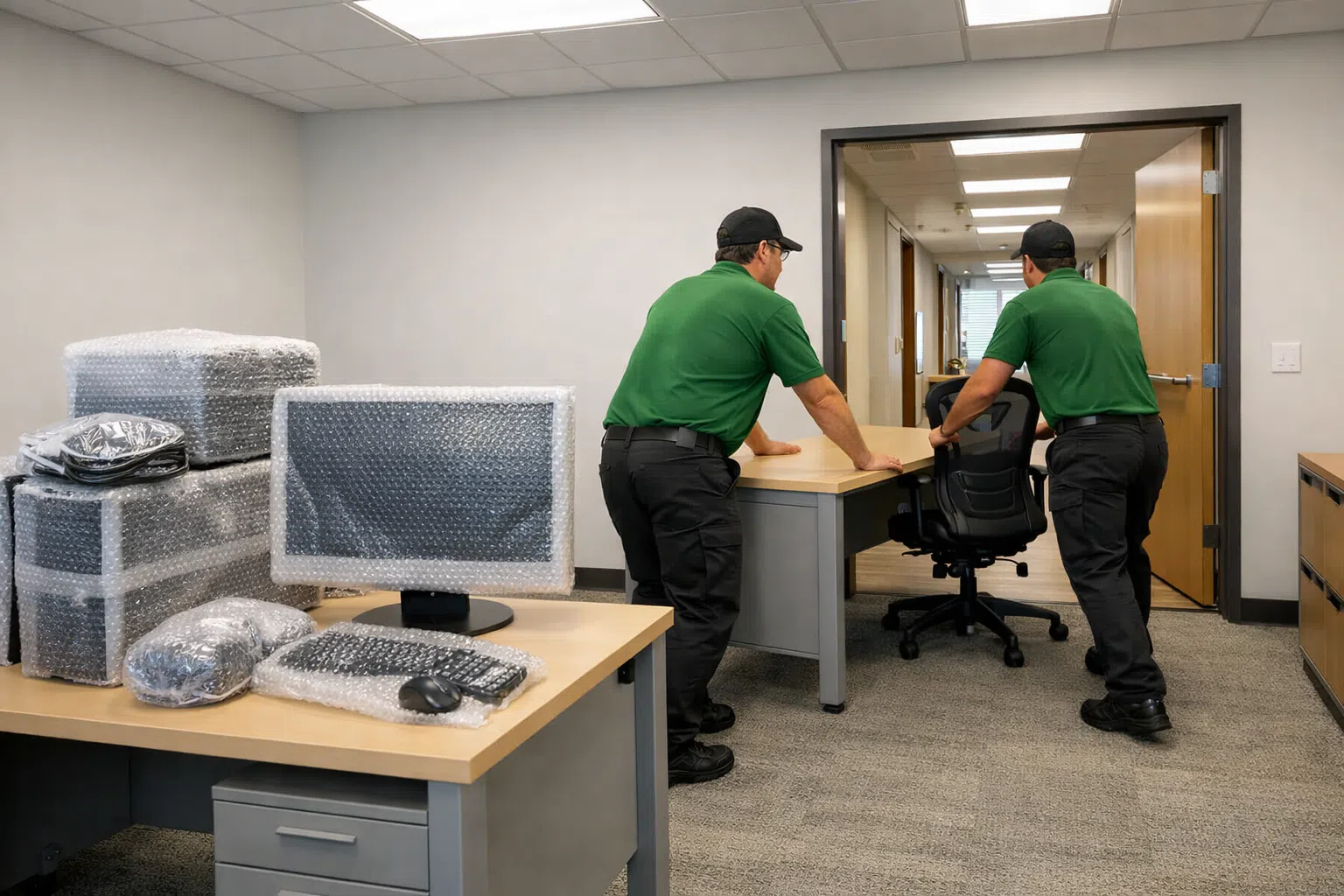
Relocating an office is a complex process that involves more than just packing boxes and transporting equipment. Businesses must maintain operations, protect sensitive data, and ensure employees can quickly resume work in the new location. That’s why commercial movers office transition planning plays a critical role in minimizing downtime and ensuring a seamless move.
A well-executed office move requires strategic planning, coordination, and professional expertise. Without a structured approach, even a small relocation can lead to lost productivity, communication breakdowns, and costly delays.
This guide breaks down how professional commercial movers plan office transitions to keep businesses running smoothly throughout the entire process.
Introduction
Office relocations are often driven by growth, expansion, or operational changes. However, moving a business comes with unique challenges that go beyond residential moves. Equipment, files, technology systems, and employee workflows all need to be carefully managed.
The goal of commercial movers office transition planning is to reduce disruption and ensure continuity. Professional movers focus on creating a structured plan that allows businesses to operate with minimal interruption before, during, and after the move.
Companies that work with experienced providers offering commercial moving services benefit from organized transitions that prioritize efficiency and business continuity.
Jump To:
TLDR Quick Guide
Here’s how commercial movers office transition planning prevents disruptions:
- Create a detailed moving timeline and strategy
- Coordinate packing, labeling, and logistics in advance
- Move in phases to maintain business operations
- Set up workstations quickly at the new location
- Use professional packing and transport services
A structured plan ensures minimal downtime and faster recovery.
Key Steps in Commercial Movers Office Transition Planning
Pre-Move Assessment and Planning
Before any move begins, commercial movers conduct a detailed assessment of the business. This includes evaluating office size, equipment, furniture, and operational needs.
The goal is to develop a customized plan that aligns with the company’s workflow and minimizes interruptions.
Inventory and Organization
Every item in the office is carefully cataloged and labeled. This ensures nothing is lost during the move and makes unpacking more efficient.
Professional movers often use structured systems to track items and assign them to specific areas in the new office.
Minimizing Downtime During the Move
Phased Moving Strategy
Instead of moving everything at once, commercial movers often use a phased approach. Departments are moved in stages so that business operations can continue.
This strategy allows critical teams to remain active while other areas are relocated.
After-Hours and Weekend Moves
Many office relocations are scheduled outside of business hours. Moving during evenings or weekends helps reduce disruption to daily operations.
This approach ensures employees can return to a functional workspace without delays.
The Role of Professional Packing and Logistics
Efficient Packing Systems
Packing is one of the most time-consuming parts of an office move. Professional movers streamline this process using organized systems and high-quality materials.
Businesses that use packing services benefit from faster packing, better protection for equipment, and reduced risk of damage.
Safe Transportation of Equipment
Office equipment such as computers, servers, and furniture must be handled carefully. Professional movers use specialized equipment and techniques to transport items safely.
This reduces the risk of costly damage and ensures everything arrives ready for setup.
Setting Up the New Office Quickly
Pre-Planned Layout
Before the move, businesses often create a detailed layout of the new office space. Movers use this plan to place furniture and equipment in the correct locations.
This eliminates confusion and speeds up the setup process.
Immediate Workstation Setup
One of the key goals of commercial movers office transition planning is to get employees back to work as quickly as possible. Movers prioritize setting up essential workstations first.
This allows teams to resume operations with minimal delay.
Supporting Business Continuity
Communication and Coordination
Clear communication is essential throughout the moving process. Movers coordinate with business leaders to ensure everyone understands timelines and responsibilities.
This helps prevent confusion and keeps the transition on track.
Flexible Moving Solutions
Every business has unique needs, and flexibility is key to a successful move. Professional movers adapt their approach based on the company’s schedule and operational requirements.
Some businesses may also require additional services such as full-service moving to handle every aspect of the relocation.
Why Businesses Choose Professional Commercial Movers
Reduced Risk and Stress
Moving an office without professional help can lead to errors, delays, and unnecessary stress. Experienced movers bring structure and expertise to the process.
This allows business owners and employees to focus on operations instead of logistics.
Faster and More Efficient Transitions
Professional movers use proven systems to complete moves efficiently. This reduces downtime and helps businesses resume normal operations quickly.
For companies relocating across regions, services like long distance moving ensure smooth transitions regardless of distance.
Key Takeaways
- Commercial movers office transition planning ensures smooth, organized business relocations.
- Phased moving strategies help maintain workflow during the transition.
- Professional packing and logistics reduce risk and improve efficiency.
- Pre-planned layouts speed up office setup in the new location.
- Working with experienced movers minimizes downtime and stress.
FAQs
What is commercial movers office transition planning?
It is a structured process used by professional movers to relocate businesses efficiently. The goal is to minimize downtime and maintain workflow during the move. It involves planning, coordination, and strategic execution.
How long does an office move usually take?
The timeline depends on the size of the office and the complexity of the move. Smaller offices may be relocated in a day, while larger businesses may require multiple phases. Proper planning helps reduce delays.
How do movers prevent business disruptions?
Movers use strategies such as phased relocations, after-hours moving, and detailed planning. These methods allow businesses to continue operating during the transition. Efficient setup ensures quick recovery.
Do commercial movers handle packing and setup?
Yes, most commercial movers offer packing, transport, and setup services. This includes organizing items, labeling, and placing them in the new office. These services help streamline the entire process.
Is hiring professional movers worth it for office relocation?
Yes, professional movers reduce risks, save time, and improve efficiency. They ensure that equipment is handled safely and operations resume quickly. This makes the investment worthwhile for most businesses.