Introduction
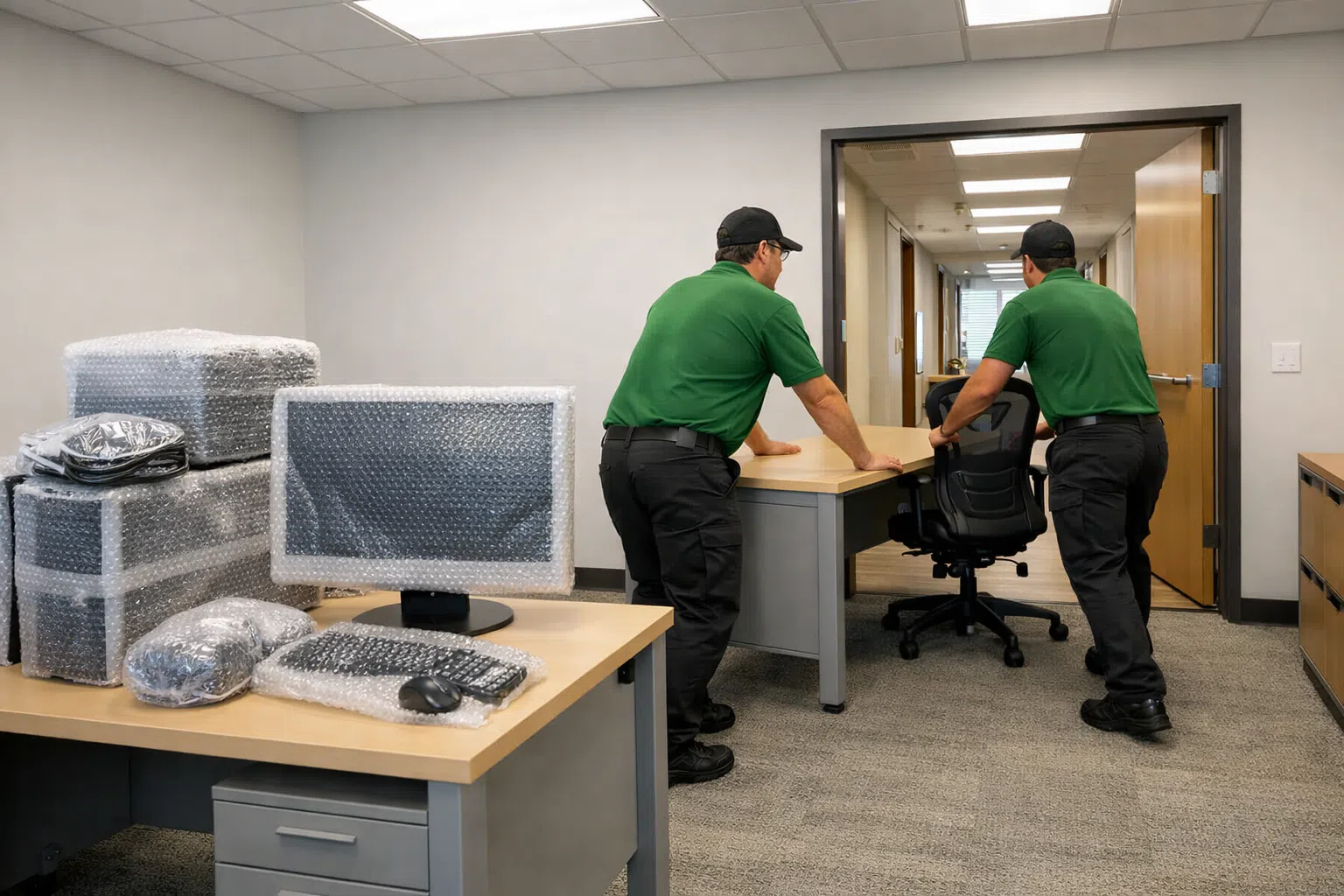
When businesses relocate, time is money. A poorly executed move can disrupt operations, delay revenue, and frustrate customers. That’s why a carefully structured commercial movers schedule is essential—especially when relocation must happen after hours. Professional commercial movers design strategic timelines that allow companies to close one day and reopen the next with minimal interruption.
Jump To:
TLDR Quick Guide
- A smart commercial movers schedule prevents costly downtime.
- After-hours moves protect productivity and customer operations.
- Pre-move planning and labeling reduce confusion overnight.
- Specialized crews handle IT, furniture, and sensitive assets.
- Detailed coordination ensures business resumes immediately.
Why After-Hours Commercial Moving Matters
Downtime Equals Revenue Loss
For offices, medical facilities, retail stores, and warehouses, lost operating hours mean lost income. Even one business day of closure can create ripple effects. After-hours moving eliminates most of that disruption.
Employees Stay Focused on Core Work
If employees are packing during work hours, productivity drops. Professional movers take over logistics so teams can remain focused. A smooth schedule keeps staff engaged rather than distracted.
How Commercial Movers Schedule After-Hours Relocations
Step 1: Detailed Pre-Move Planning
Planning begins weeks in advance. Movers assess layout, furniture volume, access points, and parking restrictions. This allows them to create a precise moving timeline.
Step 2: Inventory and Labeling Systems
Clear labeling prevents confusion during overnight transitions. Departments, workstations, and equipment are tagged for specific placement. This speeds setup at the new location.
Step 3: Staggered Moving Waves
Large offices may be moved in phases. Departments are relocated in controlled waves to minimize operational risk. Strategic sequencing prevents bottlenecks.
Technology and IT Coordination
Protecting Servers and Sensitive Equipment
IT infrastructure is often the most critical part of a commercial move. Movers coordinate with internal IT teams to safely disconnect and reconnect systems. This ensures minimal system downtime.
Cable Management and Workspace Setup
Reconnecting workstations properly prevents delays the next morning. Professional crews often pre-stage furniture and hardware for immediate use. The goal is a seamless reopening.
Why Professional Crews Make the Difference
Specialized Commercial Teams
Commercial moves require different skills than residential relocations. Crews trained in commercial moving understand business timelines and confidentiality. This reduces errors and delays.
Coordinated Packing and Asset Protection
High-value items, documents, and equipment require secure handling. Many companies also rely on professional packing services to streamline preparation. Proper packing shortens move time and reduces risk.
Weekend and Overnight Logistics
Working With Building Management
Commercial movers coordinate with property managers to secure elevator access, loading docks, and parking permits. This avoids surprises on moving night. Clear communication prevents delays.
Noise and Safety Considerations
After-hours moves must comply with building rules and local ordinances. Crews use efficient equipment and safety protocols. A well-managed schedule protects both property and people.
Post-Move Setup and Operational Testing
Furniture Placement and Configuration
Workstations, conference rooms, and reception areas are assembled according to plan. This prevents chaos when employees arrive. Layout accuracy is critical.
Final Walkthrough and Adjustments
Before completion, movers conduct a walkthrough with management. Any adjustments are handled immediately. Businesses can resume operations confidently.
Local vs Long-Distance Commercial Moves
Local Moves Require Precision Timing
For relocations within the same city, timing is critical. A well-designed local moving schedule can complete moves overnight. Distance is short, but coordination remains complex.
Long-Distance Relocations Need Staged Planning
When businesses move across regions, transportation and timing require more structure. Crews may prepare materials in advance for faster reassembly. Efficient scheduling ensures minimal lost time.
Why Partnering With Experienced Movers Matters
Reduced Liability and Risk
Professional movers carry insurance and follow structured protocols. This protects businesses during high-stakes transitions. Risk mitigation is built into the schedule.
Faster Return to Normal Operations
The ultimate goal of a commercial movers schedule is continuity. Companies that reopen without delays maintain customer trust. Experienced movers make that possible.
Pure Movers, for example, emphasizes structured planning and efficient coordination in its commercial projects—ensuring businesses stay productive even during major transitions.
Key Takeaways
- A structured commercial movers schedule prevents costly downtime.
- After-hours relocations protect revenue and productivity.
- IT coordination is essential for seamless transitions.
- Professional packing speeds and secures the process.
- Experienced movers reduce risk and ensure fast reopening.
FAQs
1. Why do businesses prefer after-hours commercial moves?
After-hours moves prevent disruption to daily operations. Employees can leave one evening and return to a new space the next day. This protects revenue and workflow.
2. How long does an overnight commercial move take?
The timeline depends on size and complexity. Small offices may move in a few hours. Larger relocations may require staged scheduling.
3. How are IT systems protected during a commercial move?
Movers coordinate with internal IT teams. Equipment is carefully disconnected and labeled. Systems are reassembled quickly to minimize downtime.
4. Are after-hours moves more expensive?
They can involve additional labor costs. However, avoiding business interruption often offsets that expense. The financial benefit usually outweighs the difference.
5. How far in advance should I schedule a commercial move?
Ideally, several weeks before the move date. Early planning allows for accurate scheduling and coordination. This reduces last-minute complications.