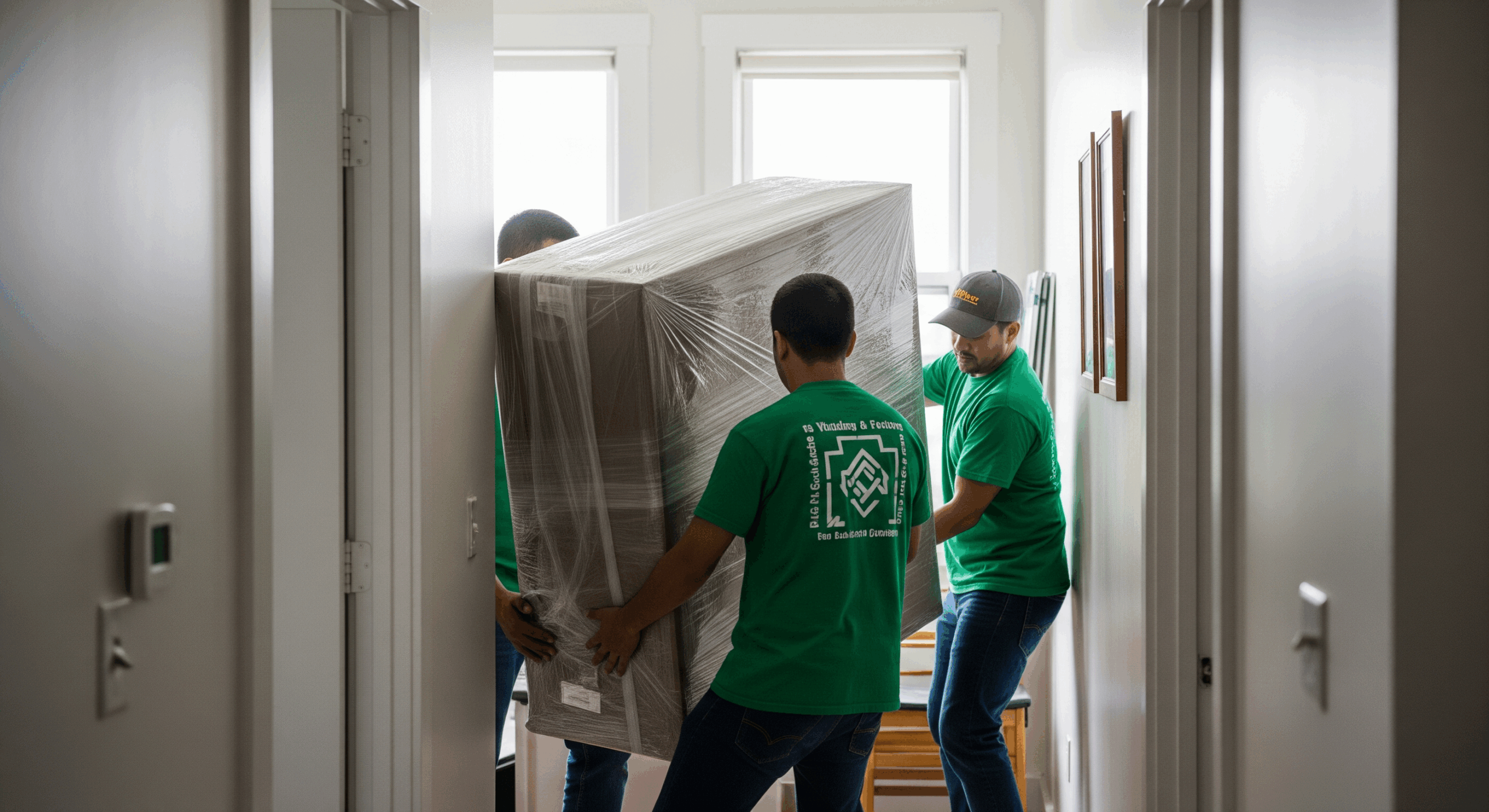
Moving large furniture in San Francisco is rarely straightforward. Narrow stairwells, steep streets, tight doorways, and older buildings make professional help essential. When people search for furniture movers San Francisco, they’re not just looking for muscle—they’re looking for strategy, precision, and experience. This guide explains how expert movers handle oversized items safely in the city’s most challenging spaces.
Jump To :
TLDR Quick Guide
- San Francisco’s buildings demand specialized moving techniques
- Large items require planning, not brute force
- Professional movers protect furniture and property
- Disassembly and hoisting are common solutions
- Experience matters more than speed in tight spaces
Why San Francisco Is Especially Challenging for Furniture Moves
Older Buildings and Narrow Layouts
Many SF homes were built long before modern furniture sizes. Hallways, staircases, and door frames are often too small for today’s oversized sofas and beds. This makes technique critical.
Steep Streets and Limited Access
Parking restrictions and hills add logistical challenges. Movers must plan routes, timing, and equipment placement carefully. Poor planning increases damage risk.
How Professional Furniture Movers Prepare for Tight Spaces
Pre-Move Assessment and Measurements
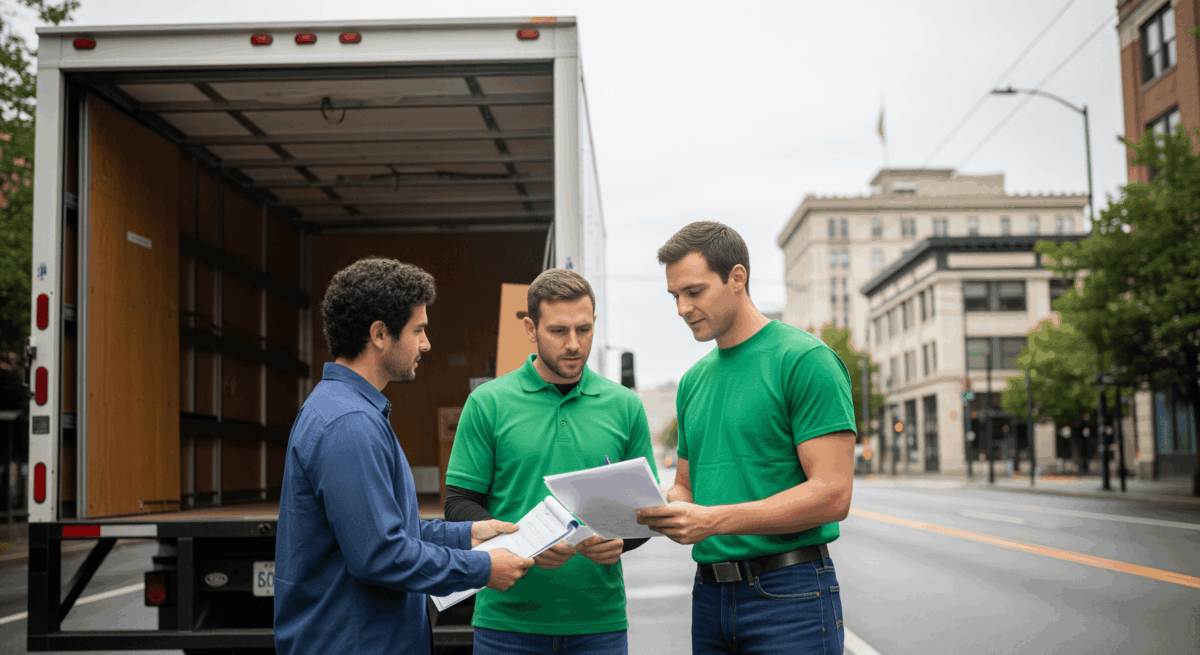
Experienced movers measure furniture, doorways, stairwells, and elevators before moving day. This determines whether items need disassembly or alternative entry. Planning prevents costly mistakes.
Clear Communication With Clients
Movers discuss constraints and solutions upfront. Clients know what to expect and how items will be handled. Transparency reduces stress during complex moves.
Techniques Used to Move Large Furniture Safely
Strategic Disassembly and Reassembly
Large furniture is often partially or fully disassembled. This allows safer transport through tight spaces. Professional furniture moving services ensure items are reassembled correctly.
Protective Wrapping and Padding
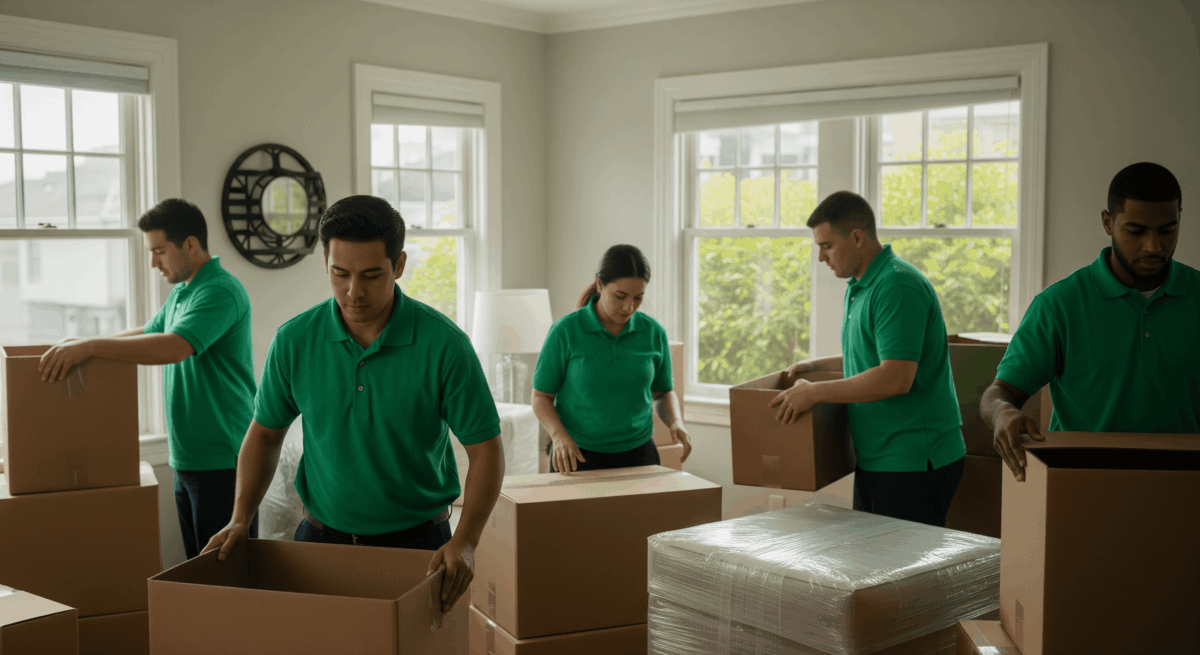
High-quality padding protects both furniture and property. Walls, banisters, and door frames are shielded during transport. This is essential in historic SF buildings.
Handling Apartments and Multi-Unit Buildings
Navigating Staircases and Elevators
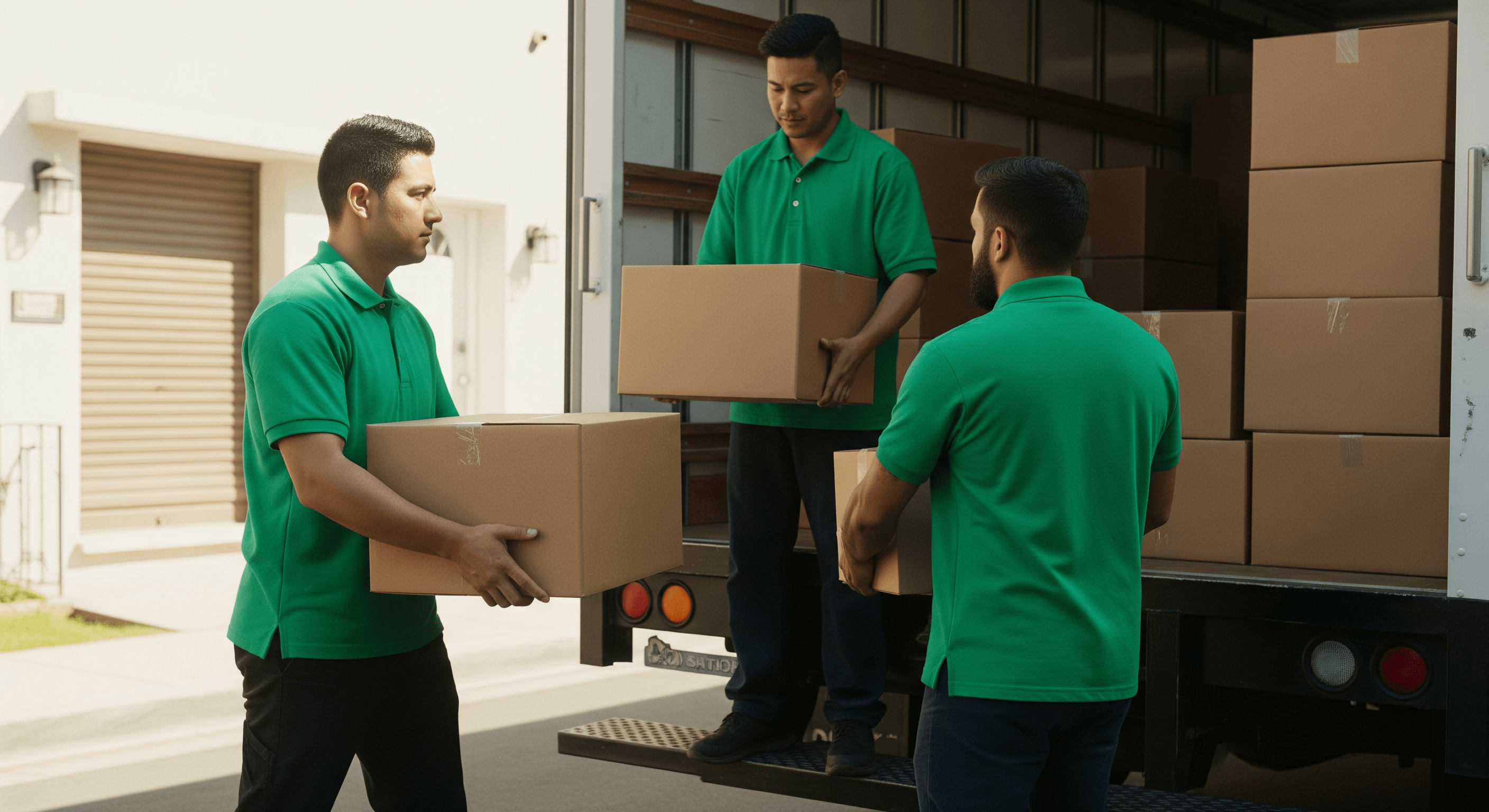
Apartment moves require coordination with building management. Movers plan elevator use and stair traffic carefully. Specialized experience with apartment moving minimizes disruptions.
Managing Tight Turns and Limited Clearance
Large items are angled, rotated, or temporarily repositioned. Skilled movers understand how weight shifts affect control. Precision prevents accidents.
When Hoisting and Special Equipment Are Required
Using Lifts, Straps, and Ramps
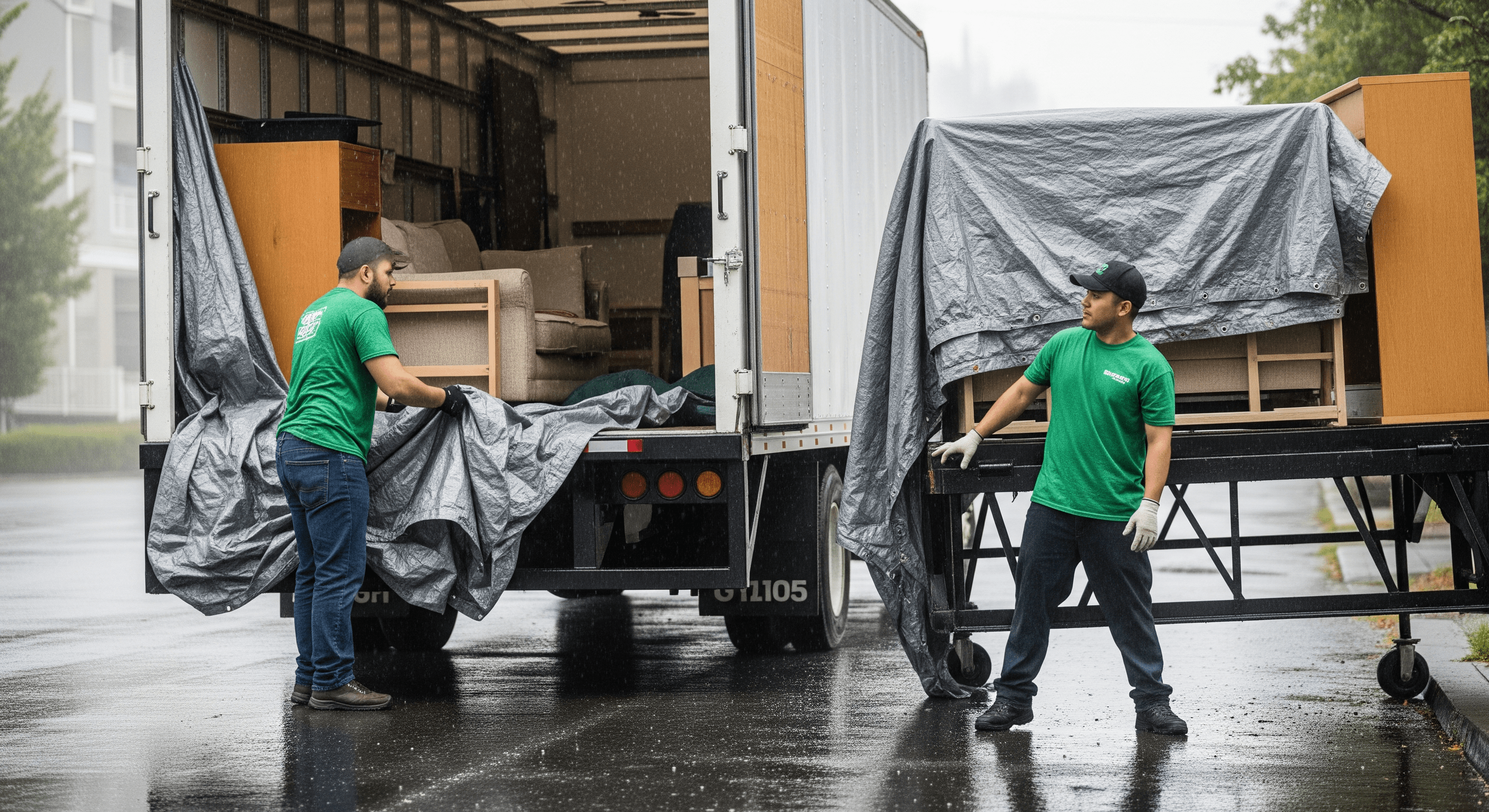
Some furniture simply won’t fit through interior spaces. In these cases, professional crews use hoisting equipment. Safety protocols protect both the item and the building.
Why DIY Hoisting Is Dangerous
Improper lifting risks injury and severe damage. Professionals are trained and insured for these scenarios. Attempting this without experience often leads to costly consequences.
Why Choosing the Right Movers Matters
Experience Over Speed
Rushing increases damage risk in tight spaces. Experienced movers work deliberately and efficiently. This approach protects valuables and property.
Full-Service Solutions Reduce Stress
Companies like Pure Movers combine logistics, packing, and transport. Their full-service moving approach handles complexity from start to finish. This is ideal for challenging SF moves.
Key Takeaways
- San Francisco furniture moves require planning and expertise
- Tight spaces demand technique, not force
- Disassembly and protection are standard practices
- Hoisting is sometimes the safest option
- Professional movers reduce damage and stress
FAQs
1. Can large furniture always fit through staircases in San Francisco homes?
Not always. Many stairwells are too narrow or have tight turns. Movers often disassemble or hoist items when necessary.
2. Is hoisting furniture safe in San Francisco?
Yes—when done by trained professionals with proper equipment. Movers assess weight, angles, and safety risks before hoisting. DIY attempts are strongly discouraged.
3. How do movers protect walls and floors during tight moves?
They use padding, floor covers, and corner guards. Protective materials are placed before moving begins. This prevents scratches and dents.
4. Should furniture be disassembled before movers arrive?
You can, but professionals often handle it better. Movers know how to disassemble and reassemble without damage. This saves time and reduces risk.
5. How long does moving large furniture in tight spaces take?
It varies based on complexity and access. Tight spaces require slower, more deliberate movement. Proper planning keeps timelines reasonable.