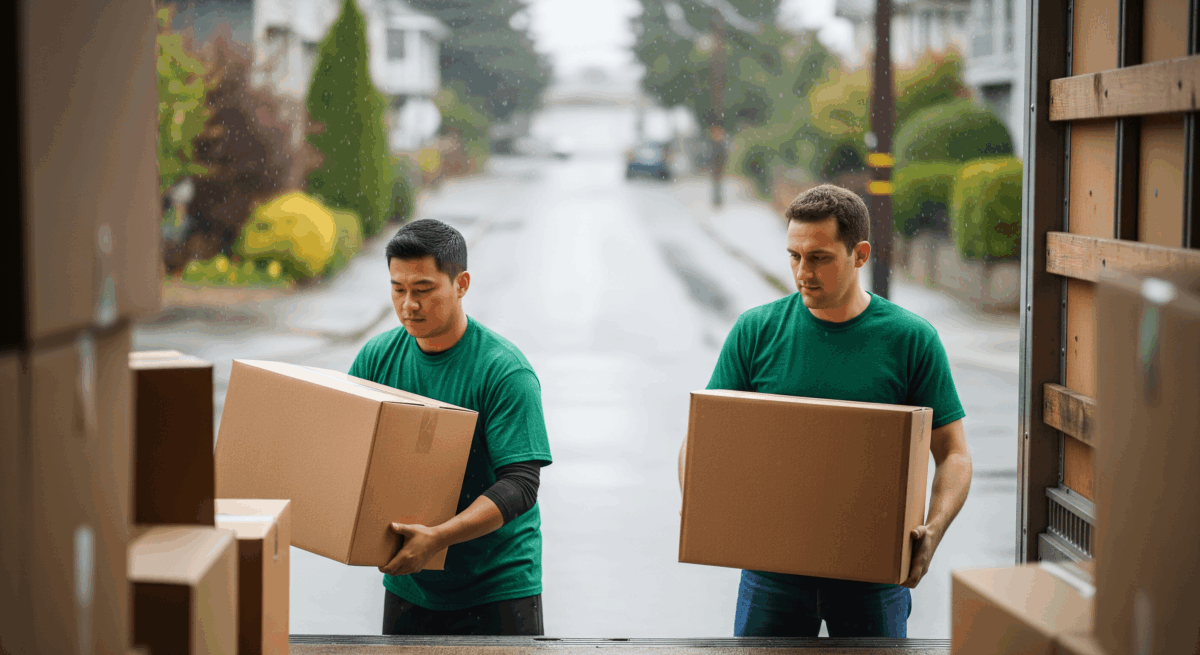
Moving your home isn’t just about getting boxes from point A to point B—it’s about protecting everything inside your home and the home itself. Many homeowners assume DIY moving saves money, but damaged furniture, scratched floors, and broken walls tell a different story. Professional home movers are trained, equipped, and insured to protect your property throughout the entire move, reducing risk and stress at every stage.
Jump To :
TLDR Quick Guide
- Professional home movers are trained to prevent property damage before it happens.
- Specialized equipment and packing materials reduce breakage and surface damage.
- Movers use proven loading, transport, and unloading systems.
- Liability coverage adds a layer of protection DIY moves lack.
- Professional handling often costs less than repairing DIY mistakes.
Training Makes the Biggest Difference
Movers Are Trained to Prevent Damage
Professional movers are trained in lifting techniques, weight distribution, and spatial awareness. They know how to maneuver bulky furniture through tight spaces without damaging walls or door frames. DIY movers often learn the hard way—after something breaks.
Experience With Challenging Items
From large sectionals to fragile antiques, movers handle difficult items daily. This experience helps them anticipate problems before they happen. DIY movers typically underestimate the complexity of heavy or awkward items.
Professional Packing Protects What Matters Most
Materials Designed for Protection
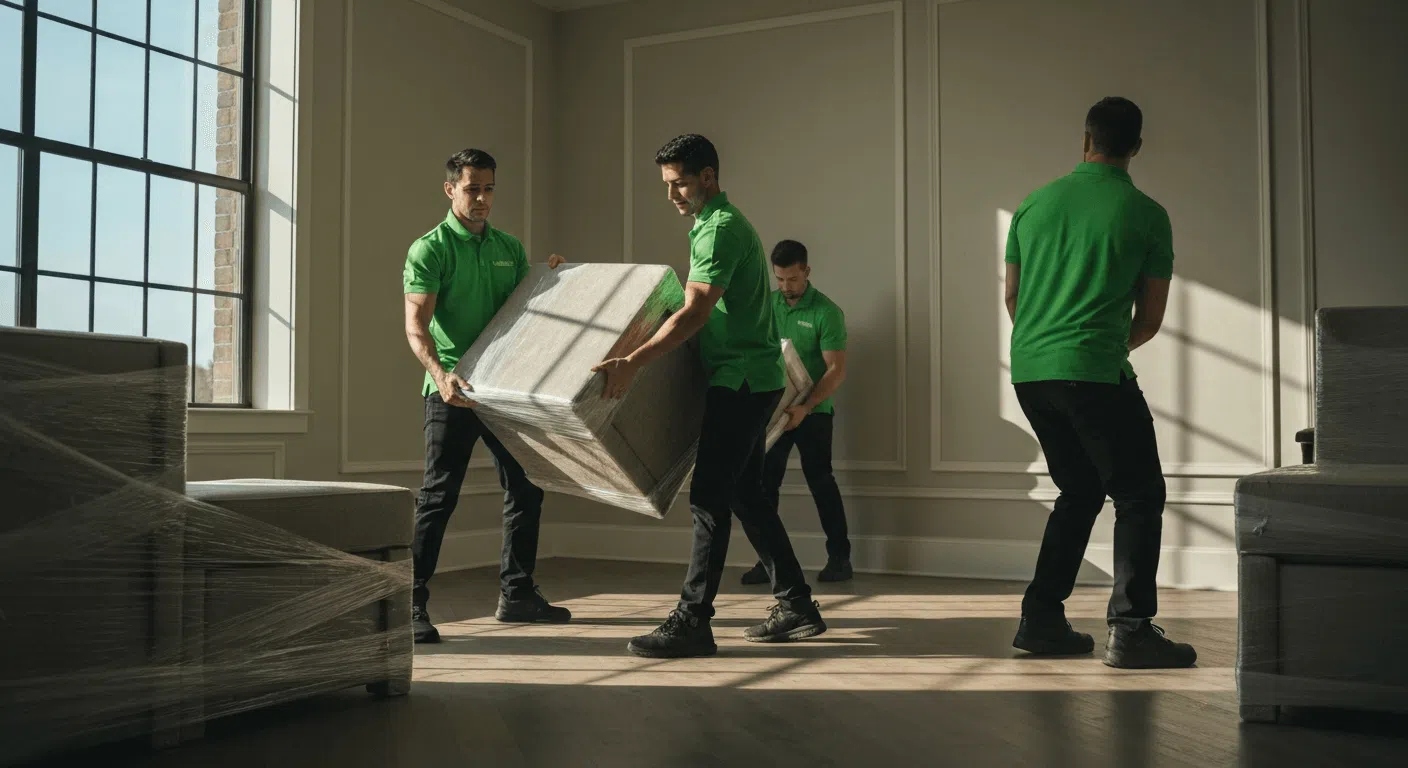
Professional movers use high-quality padding, stretch wrap, mattress covers, and reinforced boxes. These materials absorb impact and prevent shifting during transport. DIY supplies rarely offer the same level of protection.
Strategic Packing Methods
Packing isn’t random—it’s strategic. Movers distribute weight properly and secure items to prevent movement. Professional packing services significantly reduce the risk of breakage compared to rushed DIY packing.
Protecting Floors, Walls, and Doorways
Preventative Home Protection
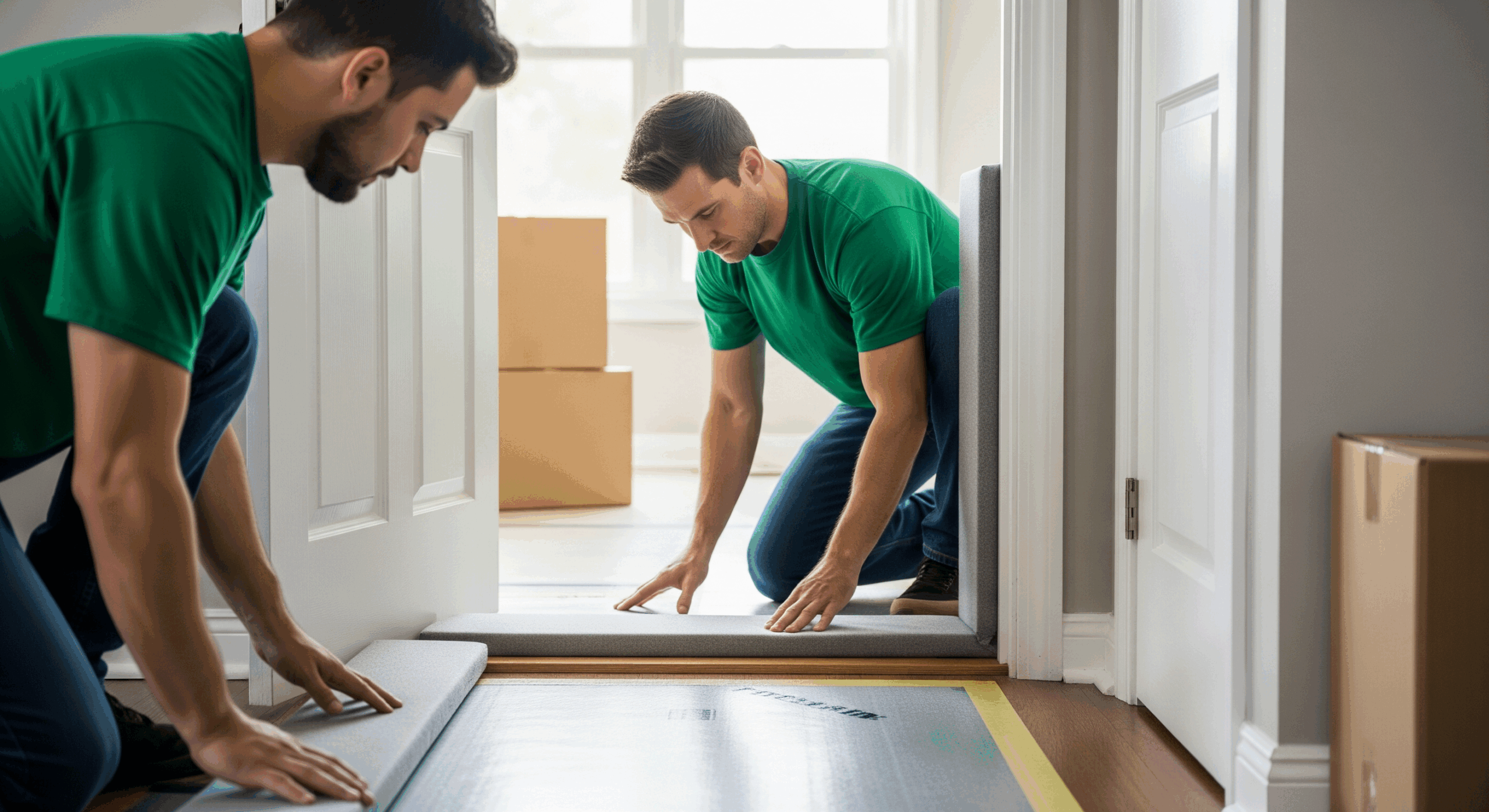
Professional home movers protect your home before moving even begins. Floor runners, corner guards, and door jamb covers shield surfaces from damage. DIY moves often skip this step entirely.
Controlled Movement Paths
Movers plan entry and exit paths for large items. This reduces scraping, dents, and structural stress. Planning alone prevents many common moving-day accidents.
Safe Loading and Transport
Load Balancing Inside the Truck
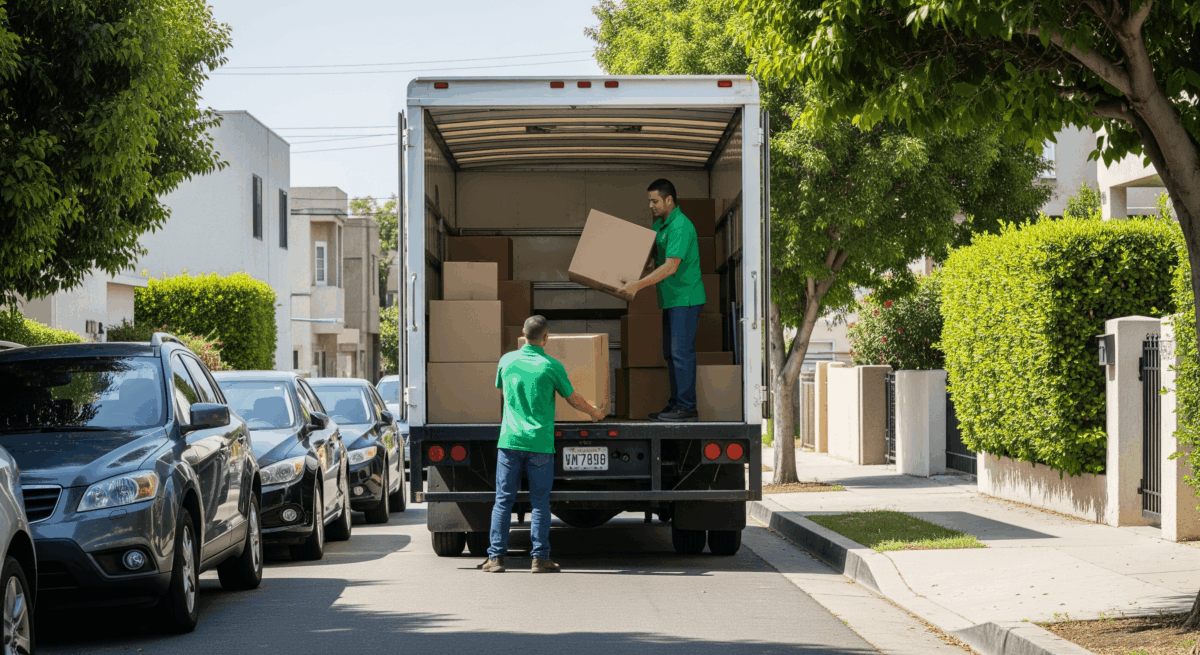
Professional movers know how to balance loads inside moving trucks. Proper stacking prevents items from shifting during transit. DIY loading often leads to crushed boxes and toppled furniture.
Securing Items for Long Distances
For longer moves, professional long-distance moving includes advanced securing techniques to handle vibration and braking forces. DIY movers rarely account for these factors.
Insurance and Accountability Matter
Liability Coverage Protects You
Licensed movers carry insurance that protects your belongings. If something unexpected happens, you’re not left paying out of pocket. DIY moves offer no such safety net.
Clear Responsibility
With professional movers, responsibility is clear. With DIY moves involving friends or rentals, accountability disappears fast. That clarity alone is worth the investment.
Efficiency Reduces Risk
Faster Moves Mean Fewer Opportunities for Damage
Professional movers work efficiently because they follow a system. Less time spent lifting, loading, and unloading reduces fatigue-related mistakes. DIY movers often experience accidents late in the day when exhaustion sets in.
Team Coordination
Movers communicate constantly during a move. This coordination prevents sudden drops, missteps, and collisions. DIY moves lack this structure.
When Professional Home Movers Make the Most Sense
Valuable or Heavy Items
Homes with large furniture, fragile décor, or high-value items benefit the most from professional handling. Movers specializing in furniture moving are trained specifically to prevent damage.
Apartments and Tight Spaces
Narrow hallways, stairwells, and elevators increase risk. Professional movers know how to navigate these challenges safely. DIY moves in tight spaces often lead to costly mistakes.
Key Takeaways
- Professional home movers prevent damage through training and experience.
- High-quality packing materials protect belongings better than DIY supplies.
- Movers safeguard floors, walls, and doorways before moving begins.
- Proper loading and insurance reduce financial risk.
- Professional moves often save money by avoiding costly repairs.
FAQs
1. Are professional home movers really safer than DIY moving?
Yes, professional movers are trained to prevent common moving-related damage. They use proper equipment and techniques. DIY moves rely on guesswork and increase risk.
2. Isn’t hiring movers more expensive than doing it myself?
Upfront costs may be higher, but repairs and replacements from DIY damage add up quickly. Professional movers reduce unexpected expenses. Many homeowners find it more cost-effective overall.
How do movers protect floors and walls?
Movers use floor runners, padding, and protective guards. They also plan movement paths carefully. These steps significantly reduce damage risk.
4. What if something gets damaged during a professional move?
Licensed movers carry insurance and follow claims procedures. This provides financial protection. DIY moves offer no coverage.
5. When should I definitely hire professional movers?
If you have heavy furniture, valuable items, or tight access points, professional movers are strongly recommended. They reduce risk and stress. Services like residential moving are designed specifically for these scenarios.