Introduction
Moving everyday furniture is one thing. Relocating antiques, artwork, designer furniture, collectibles, or expensive electronics is another entirely. When clients request professional moving services for fragile and high-value items, they are seeking precision, planning, and protection—not just transportation.
Whether moving across town or across the country, high-value possessions demand expertise that goes far beyond basic box packing. This guide explains how experienced movers protect valuables every step of the way.
Jump To:
TLDR Quick Guide
- Fragile and high-value items require specialized packing and handling.
- Professional movers use custom materials and labeling systems.
- White-glove loading and transport reduce risk.
- Climate control and insurance planning matter for long-distance moves.
- Expertise protects both financial and sentimental value.
Understanding What Makes Items High Risk
Fragility vs. Value
Some items are delicate but inexpensive. Others are durable but extremely valuable. High-risk items often combine both qualities—think glass sculptures, pianos, antique furniture, or custom lighting fixtures.
Professional movers assess both physical vulnerability and replacement cost before developing a packing strategy.
Sentimental and Irreplaceable Items
Many clients aren’t just worried about cost—they’re concerned about heirlooms and personal collections. Emotional value increases the importance of flawless handling. That’s why experienced teams approach these moves with added care.
Trust plays a significant role in these situations.
The Packing Process for Fragile and High-Value Items
Custom Packing Materials
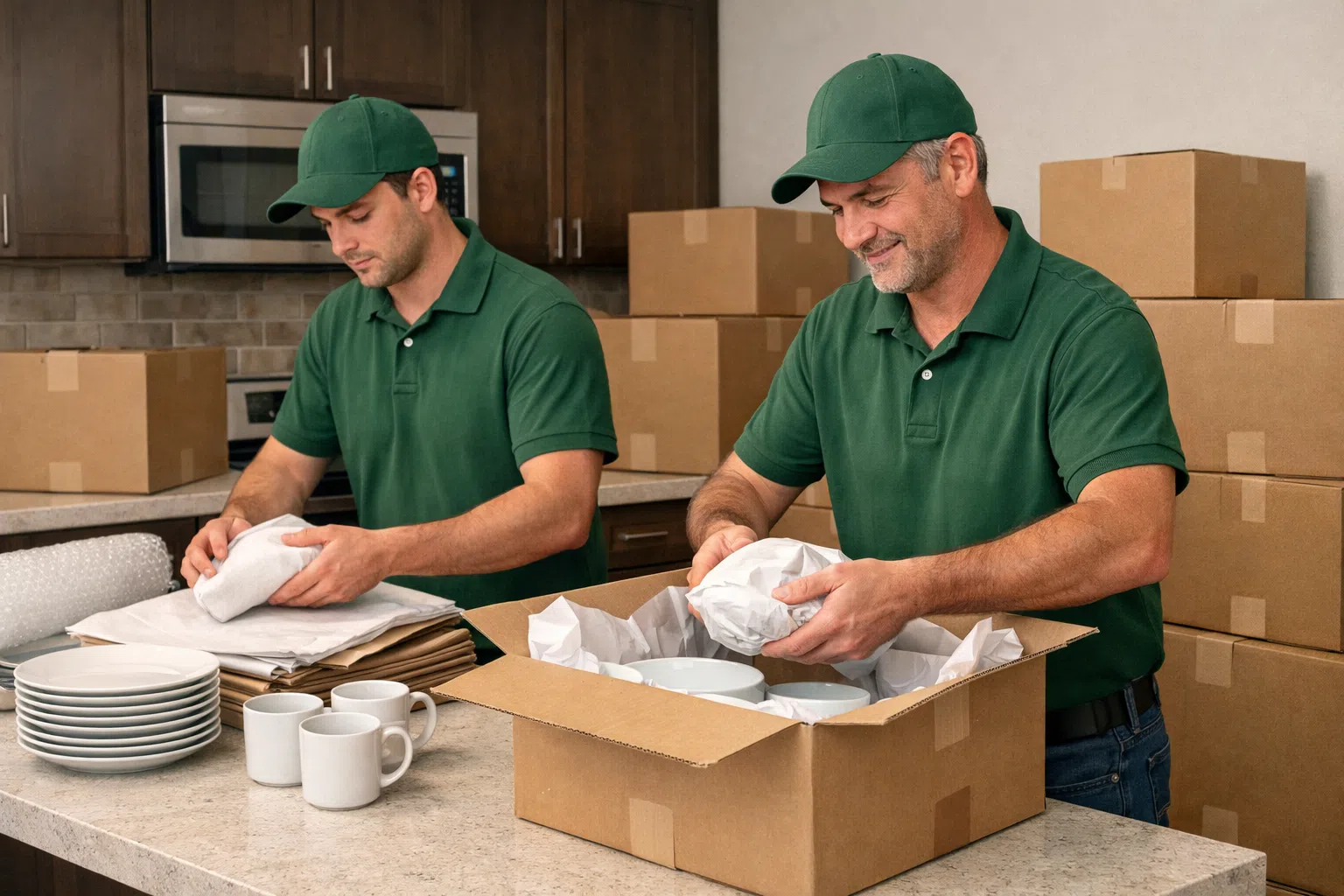
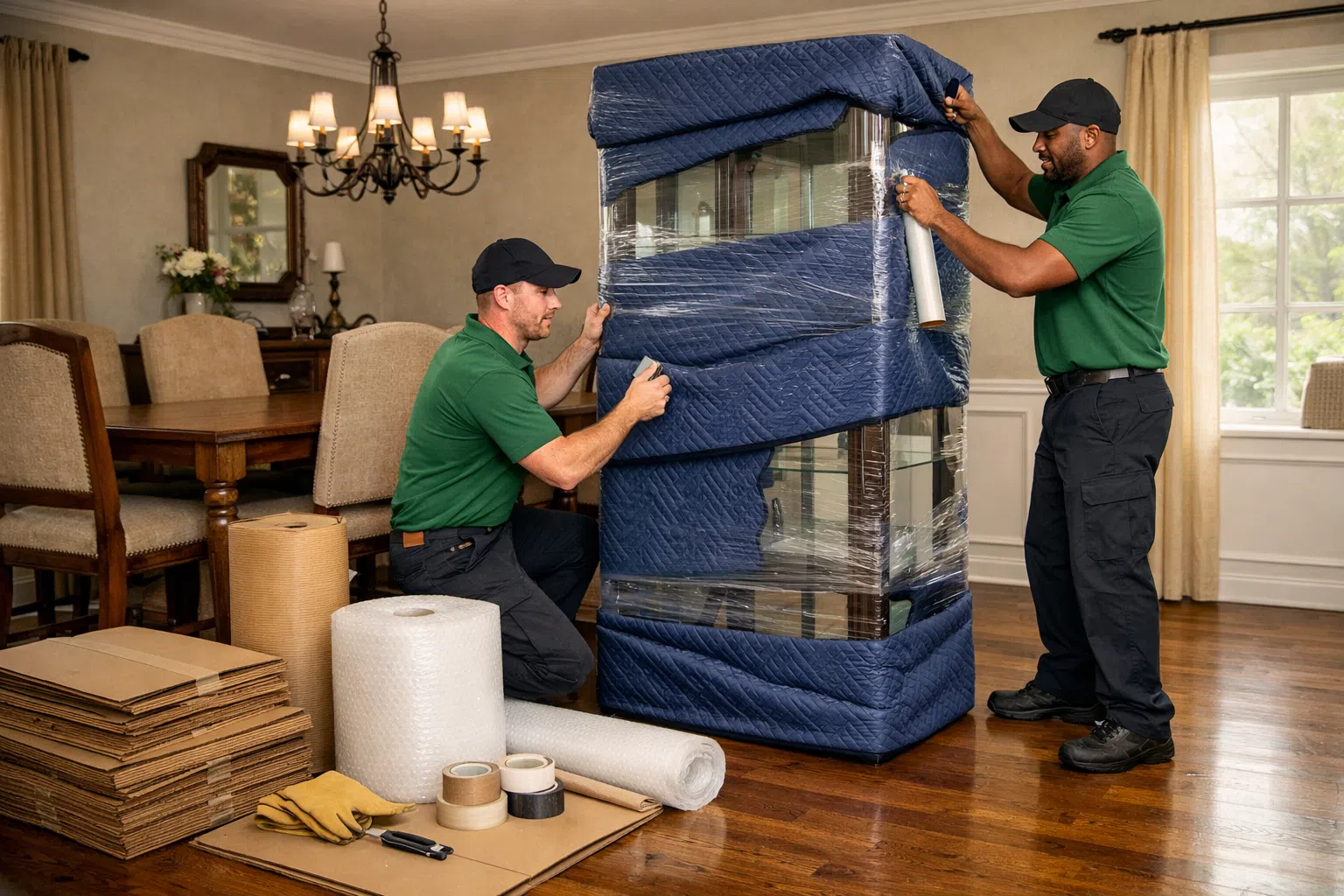
Standard moving boxes aren’t sufficient for high-value possessions. Professional movers use reinforced cartons, custom crates, padded wraps, and corner protectors. For certain items, wooden crating ensures complete structural stability.
This level of preparation prevents shifting during transport.
Layered Protection Techniques
Protection isn’t about one layer of bubble wrap—it’s about layered cushioning systems. Movers often combine foam padding, shrink wrap, rigid inserts, and stabilizing straps. Every material serves a specific purpose.
This structured method dramatically reduces breakage risk.
Labeling, Inventory, and Documentation
Detailed Item Tracking
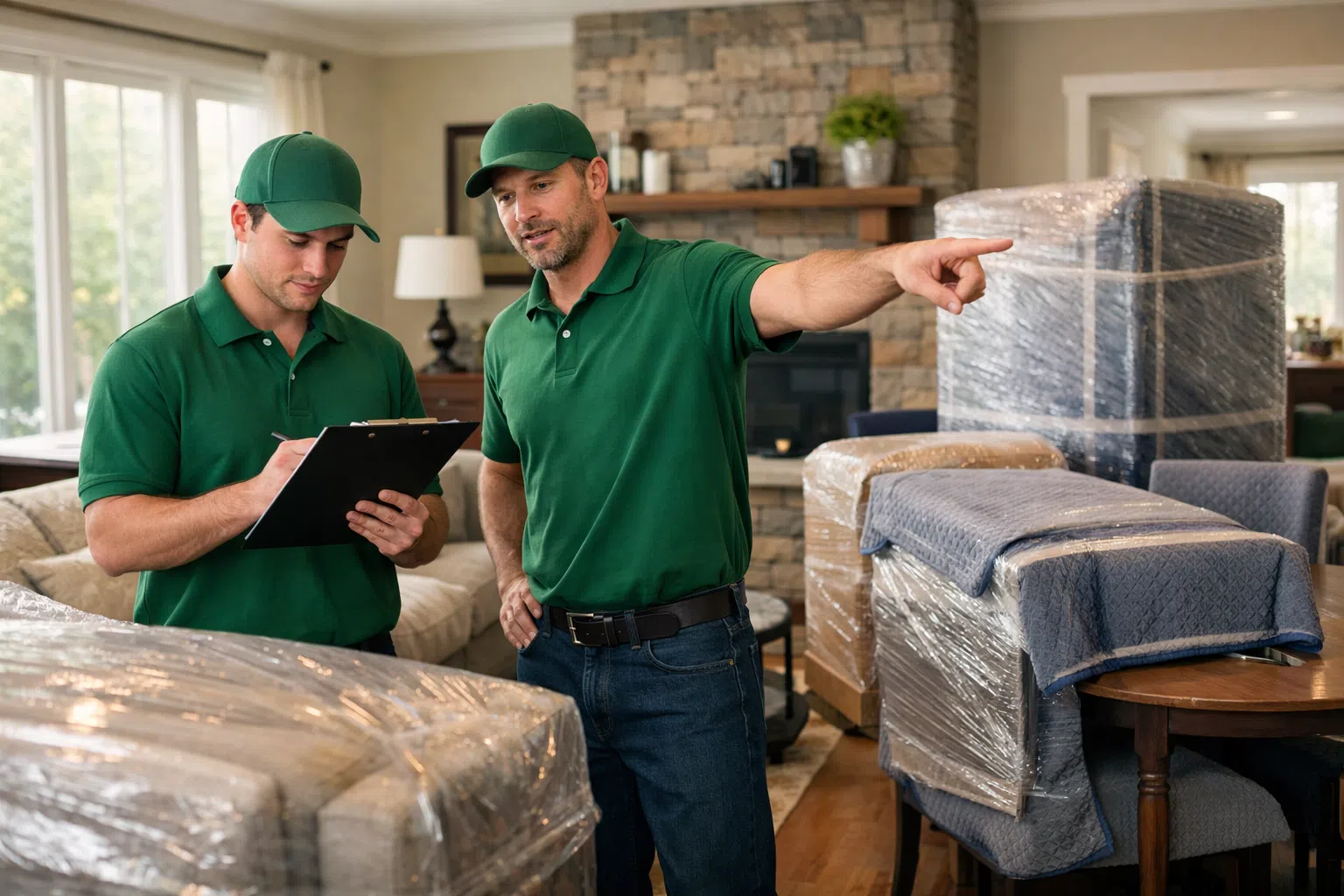
Professional movers create itemized inventories for valuable goods. Each item is tagged, logged, and tracked from pickup to delivery. This ensures accountability and prevents misplacement.
High-value moves demand meticulous organization.
Condition Documentation
Before loading, movers may photograph items to document existing condition. This protects both the client and the company. Transparency builds trust and simplifies insurance processes if needed.
Documentation is part of responsible handling.
Specialized Loading and Transportation
Strategic Truck Placement
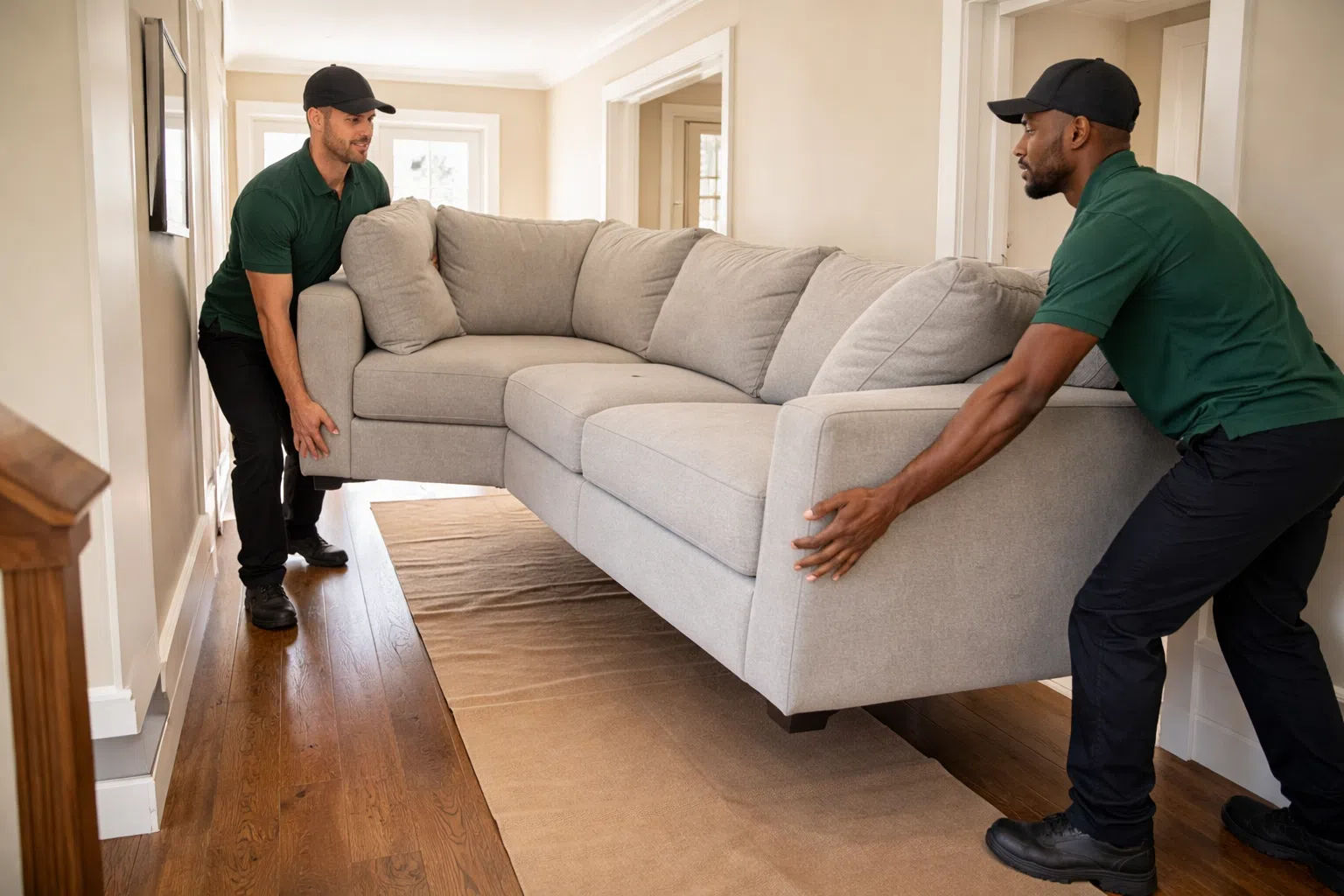
Fragile items are never loaded randomly. Movers strategically position crates and boxes to minimize vibration and pressure. Weight distribution plays a critical role in stability.
This is especially important during long-distance relocations.
Climate-Control Considerations
Artwork, wood furniture, and electronics can be sensitive to heat or humidity. For long hauls, climate-controlled transport may be necessary. This protects materials from expansion, warping, or internal damage.
Services like long-distance moving often incorporate advanced transport planning.
White-Glove and Full-Service Options
Professional Packing Teams
Clients who want maximum protection often choose packing services. Trained teams handle wrapping, boxing, labeling, and staging. This reduces the risk of improper preparation.
It also saves clients time and stress.
Full-Service Coordination
For luxury or high-profile relocations, clients may opt for full-service moving. This includes packing, loading, transportation, unloading, and placement. White-glove service ensures minimal client involvement.
Companies like Pure Movers emphasize this approach when handling delicate or valuable moves.
Insurance and Risk Management
Understanding Coverage Options
Basic moving coverage may not fully protect high-value possessions. Professional movers discuss valuation protection and additional insurance options. Clients gain clarity before the move begins.
Risk planning is as important as packing.
Minimizing Claims Through Preparation
Most damage occurs due to poor preparation, not transportation itself. Proper packing significantly reduces the likelihood of claims. Prevention is always more effective than compensation.
Experienced teams focus on avoiding problems altogether.
Residential, Commercial, and Specialty Applications
Homeowners Protecting Collectibles
Luxury home relocations often include artwork, wine collections, and custom furniture. Professional handling ensures these items arrive intact. Specialized movers understand these needs.
Residential services such as residential moving frequently include high-value packing solutions.
Commercial and Executive Moves
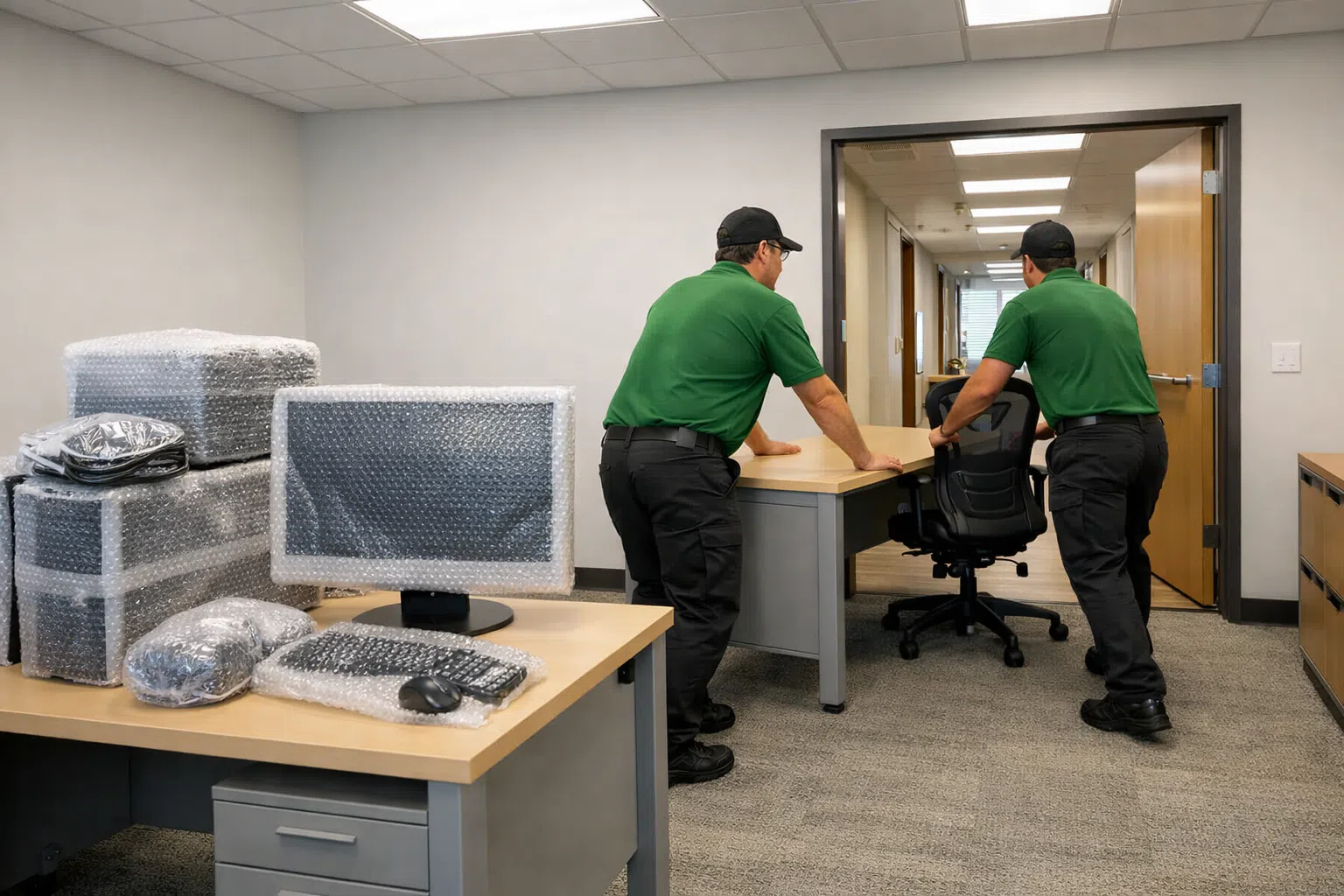
Businesses relocating offices may transport sensitive electronics, display cases, and specialty equipment. Precision planning avoids operational disruptions. High-value commercial moves require structured coordination.
Professional movers bring that level of organization.
Key Takeaways
- Professional moving services for fragile and high-value items prioritize precision and protection.
- Custom packing materials prevent structural damage.
- Detailed inventory tracking ensures accountability.
- Climate-controlled and strategic loading reduce transport risks.
- Full-service and white-glove options offer maximum protection.
FAQs
1. What qualifies as a high-value item during a move?
High-value items typically include artwork, antiques, luxury furniture, and specialty electronics. Sentimental heirlooms may also qualify. Movers assess both cost and fragility.
2. Is special packing necessary for fragile items?
Yes, fragile items require layered protection and reinforced materials. Standard boxes are rarely sufficient. Professional packing reduces breakage risk significantly.
3. Does insurance automatically cover expensive items?
Basic coverage may not fully cover replacement value. Additional valuation protection may be recommended. Always review coverage before moving.
4. Are long-distance moves riskier for fragile items?
Longer travel increases exposure to vibration and environmental factors. Professional packing and strategic loading reduce these risks. Climate-controlled options provide added protection.
5. Should I pack fragile valuables myself?
Self-packing increases the chance of improper cushioning. Professional teams are trained in protective methods. For high-value items, expert handling is strongly recommended.