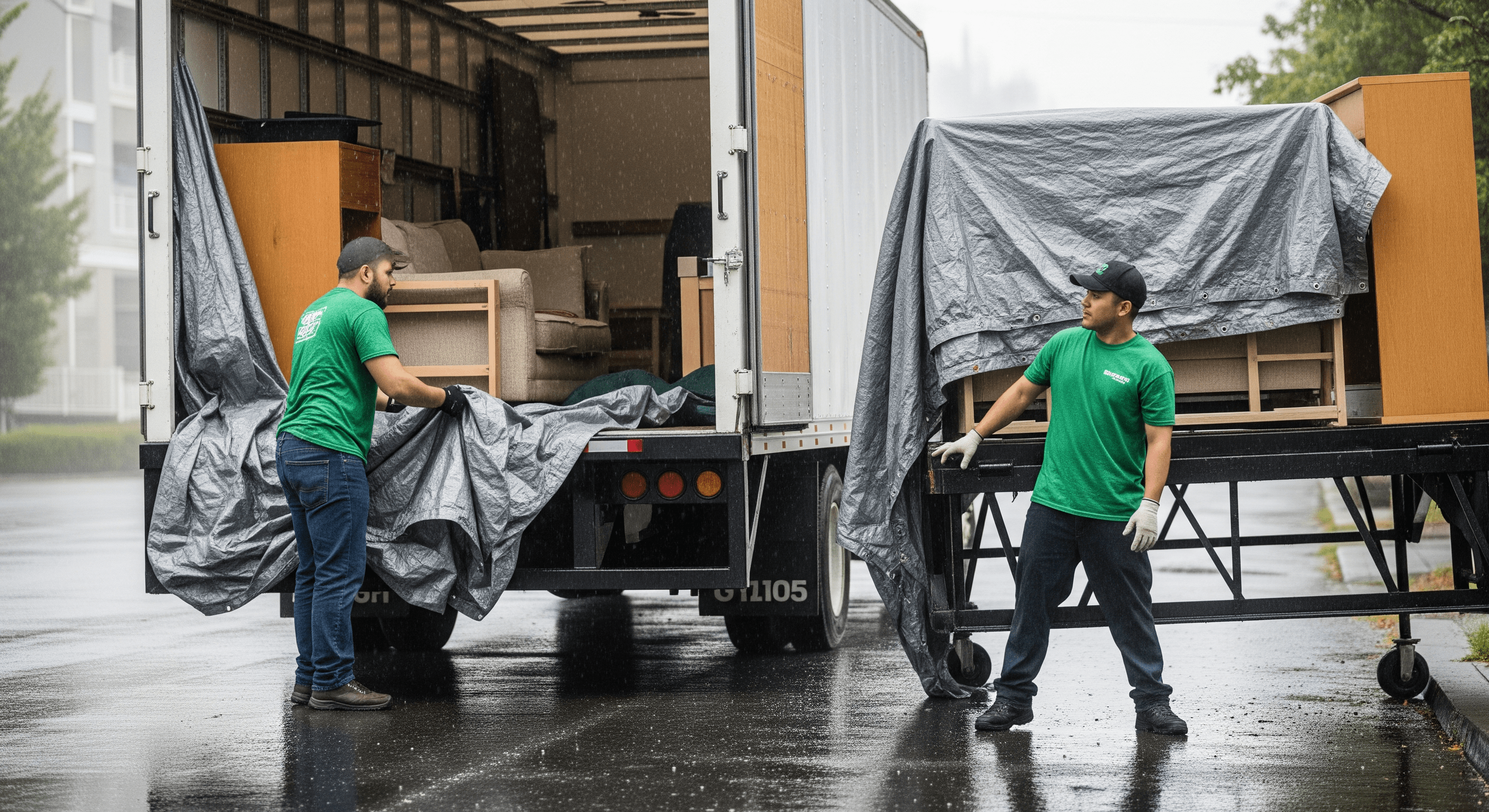
If you’re planning a move, one of the first questions you’ll ask is about Seattle moving company rates—and for good reason. Moving costs can vary widely, and without understanding how pricing works, it’s easy to feel uncertain or caught off guard. Rates aren’t random; they’re built around labor, logistics, and the level of service required.
This guide breaks down what Seattle moving company rates typically include, how movers calculate pricing, and what homeowners, renters, and businesses should know before booking.
Jump To :
TLDR Quick Guide
- Seattle moving company rates are usually based on time, labor, and services—not just distance.
- Hourly rates vary depending on crew size, move complexity, and season.
- Packing, stairs, long carries, and specialty items can affect pricing.
- Transparent movers explain what’s included upfront.
- Understanding rate structures helps avoid surprise charges.
How Seattle Moving Company Rates Are Structured
Hourly vs Flat-Rate Pricing
Most local Seattle moves are priced hourly. This includes the moving crew, truck, and standard equipment. Flat-rate pricing is more common for long-distance or highly defined moves where scope is clear.
Crew Size and Time
Rates are influenced by how many movers are assigned and how long the job takes. A larger crew costs more per hour but often finishes faster. Efficient staffing can reduce total cost.
What’s Typically Included in Seattle Moving Company Rates
Professional Labor and Equipment
Standard rates usually include trained movers, dollies, straps, furniture pads, and the moving truck. This ensures safe handling of belongings. Labor quality plays a major role in overall value.
Loading, Transport, and Unloading
Rates cover the physical move from start to finish within the agreed scope. This includes careful loading, secure transport, and unloading at the destination. Moves like local moving are typically billed this way.
Additional Factors That Affect Pricing
Packing and Unpacking Services
Packing services are usually billed separately or added to the hourly total. Professional packing saves time and reduces damage risk. Services like packing services are ideal for busy households or fragile items.
Stairs, Long Carries, and Access Challenges
Seattle homes often involve stairs, elevators, or limited parking. These factors increase labor time. Movers account for access challenges when estimating rates.
Furniture and Specialty Items
Large or delicate items such as pianos, antiques, or custom furniture require extra care. Specialized handling can increase rates. This is common with furniture moving services.
Local vs Long-Distance Pricing Differences
Local Moves
Local Seattle moves are usually hourly. The final cost depends on time spent rather than mileage. Preparation and organization directly impact price.
Long-Distance Moves
Long-distance moves factor in distance, weight, and logistics. Services like long-distance moving often involve flat-rate or tiered pricing models.
What Transparent Movers Explain Upfront
Clear Rate Breakdown
Reputable movers explain what’s included, what’s optional, and what could add cost. This transparency helps set expectations. It also builds trust.
No Surprise Fees
Professional companies outline potential variables before moving day. This includes access issues or additional services. Clear communication prevents billing surprises.
How to Get the Best Value for Seattle Moving Company Rates
Accurate Inventory and Preparation
Providing an accurate inventory helps movers plan correctly. Packing ahead of time reduces labor hours. Preparation directly lowers cost.
Choosing the Right Service Level
Not every move needs full-service help. Some clients prefer basic labor, while others want white-glove care like full-service moving. Matching service to needs optimizes value.
Key Takeaways
- Seattle moving company rates are based on labor, time, and service level.
- Hourly pricing is common for local moves.
- Packing, access issues, and specialty items affect cost.
- Transparent movers explain pricing clearly upfront.
- Preparation and service selection help control expenses.
FAQs
1. Are Seattle moving company rates hourly or flat-rate?
Most local moves are hourly. Flat rates are more common for long-distance or complex jobs. The structure depends on move scope.
2. What is usually included in the hourly rate?
Labor, truck, equipment, and basic furniture protection are typically included. Packing and specialty services may cost extra. Always confirm details in advance.
3. Do stairs or elevators affect moving rates?
Yes. Stairs, elevators, and long carries increase labor time. These factors are usually accounted for in estimates.
4. How can I lower my moving costs?
Declutter, pack ahead, and provide clear access. Accurate inventory helps movers plan efficiently. Fewer surprises mean lower costs.
5. Should I choose the cheapest mover?
Not always. Quality, insurance, and experience matter. Value comes from efficiency and care, not just price.