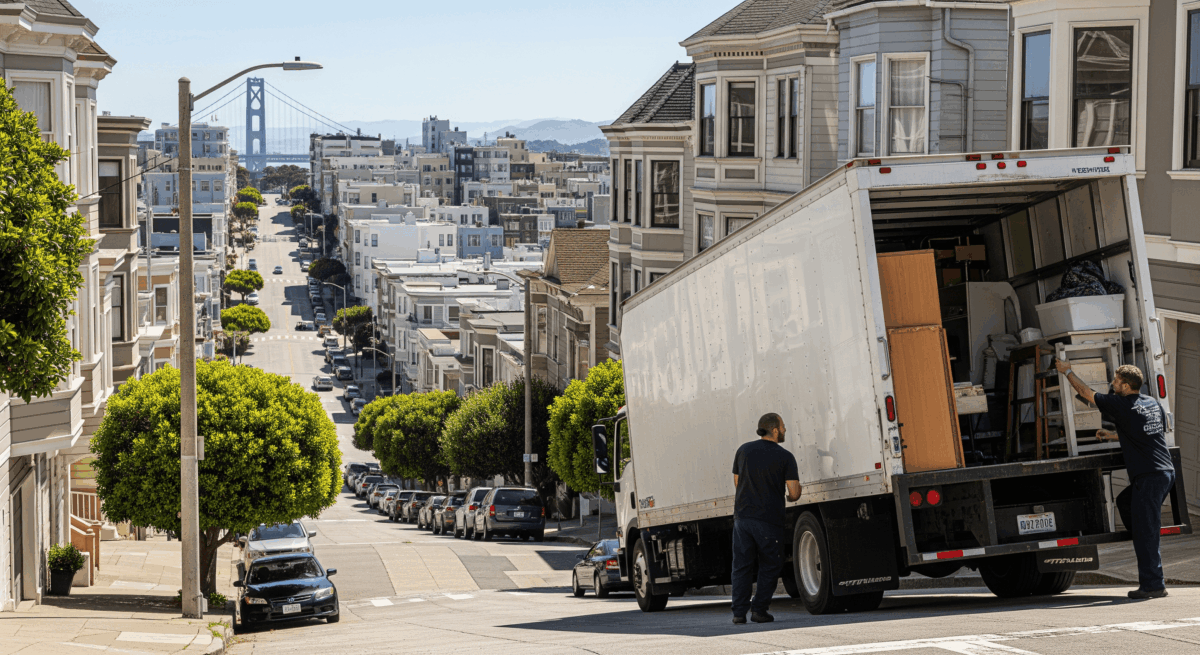
Apartment moving Los Angeles is very different from moving a house or suburban property. Between tight parking, shared elevators, building regulations, and unpredictable traffic, logistics matter just as much as muscle. Without planning, small issues can quickly turn into major delays.
Understanding how professional movers coordinate elevators, parking access, and timing helps renters avoid common mistakes. The smoother the logistics, the faster—and more affordable—the move.
Jump To :
TLDR Quick Guide
- Apartment moving in Los Angeles involves strict elevator and parking coordination.
- Timing matters due to traffic, building rules, and city permits.
- Professional movers plan logistics before moving day to avoid delays.
- Parking restrictions can affect costs and timelines.
- Preparation reduces stress, fines, and unexpected downtime.
How Elevators Affect Apartment Moves
Elevator Reservations
Many Los Angeles apartment buildings require advance elevator reservations. Move-in and move-out windows are often limited to specific hours. Missing these windows can delay the entire move.
Padding and Protection Rules
Buildings often require protective padding for elevators and hallways. This prevents damage to walls, mirrors, and floors. Professional movers typically handle this as part of the service.
Freight vs Passenger Elevators
Some buildings restrict moves to freight elevators only. These elevators may be slower or shared with other tenants. Scheduling becomes critical to avoid bottlenecks.
Parking Challenges in Los Angeles
Street Parking Restrictions
Los Angeles has strict parking enforcement. Red zones, street cleaning, and permit-only areas can block moving trucks. Fines and towing risks are real if planning is overlooked.
Temporary Parking Permits
In many neighborhoods, movers must secure temporary parking permits. This ensures trucks can park close to the building. It saves time and reduces labor costs.
Distance Impacts Time
When trucks can’t park near the building, movers must carry items longer distances. This increases time and fatigue. Strategic parking is a major efficiency factor.
Why Timing Matters So Much
Traffic Patterns
LA traffic fluctuates by neighborhood and time of day. Early mornings or mid-day windows often work best. Poor timing can double move duration.
Building Time Restrictions
Many apartments limit moves to weekday business hours. Weekend slots book quickly. Planning early ensures access to preferred times.
Same-Day Turnarounds
When leases overlap, timing becomes even tighter. Services like Same-Day Moving can help when schedules compress unexpectedly.
Packing Strategy for Apartment Moves
Compact Spaces Require Smart Packing
Apartments often have narrow hallways and stairwells. Bulky furniture and loose packing slow progress. Organized packing speeds loading and unloading.
Professional Packing Services
Using Packing Services reduces damage risk and saves time. Properly packed items move faster through elevators and tight spaces. This also protects fragile belongings.
Labeling by Room and Floor
Clear labeling helps movers place items quickly. This avoids congestion in hallways. Efficiency matters in shared buildings.
Furniture and Large Item Considerations
Disassembly Planning
Large furniture often needs partial disassembly. This is especially true for elevators with height or width limits. Planning prevents last-minute scrambling.
Protecting Common Areas
Buildings hold tenants responsible for damage. Movers experienced in Apartment Moving use protective wraps and dollies. This reduces liability.
Stair-Only Scenarios
Some older buildings lack elevators entirely. Stair carries require extra manpower and time. Advance assessment ensures accurate estimates.
Why Professional Movers Make the Difference
Pre-Move Coordination
Professional movers communicate with building management before moving day. This avoids surprises around access and rules. Preparation is key.
Local Knowledge
Experienced LA movers understand neighborhood restrictions. They know where permits are needed and when streets are busiest. This knowledge saves time.
Full-Service Support
Companies offering Full-Service Moving manage packing, logistics, and transport together. This reduces stress and streamlines the process.
Key Takeaways
- Apartment moving Los Angeles requires coordination beyond basic transport.
- Elevator scheduling and protection are critical.
- Parking access directly affects speed and cost.
- Timing around traffic and building rules prevents delays.
- Professional movers simplify complex logistics.
FAQs
1. Do I need to reserve an elevator for apartment moving in Los Angeles?
Most apartment buildings require elevator reservations. Some limit moves to specific hours or days. Always check with building management in advance.
2. How do parking permits work for moving trucks in LA?
Temporary parking permits may be required depending on the neighborhood. These allow movers to park legally near the building. Without them, trucks may be fined or towed.
3. Is apartment moving more expensive than house moving?
It can be, due to elevators, stairs, and parking challenges. Time and labor often increase. Proper planning helps control costs.
4. What time of day is best for apartment moving in Los Angeles?
Early morning or mid-day is usually best. This avoids peak traffic and aligns with building restrictions. Weekdays often offer more flexibility.
5. Can movers handle building requirements and coordination?
Yes, professional movers often coordinate with property management. They manage elevator padding, scheduling, and access rules. This reduces stress for tenants.